1/4 Uchi vs. Soto The Divide Between Inner and Outer Worlds
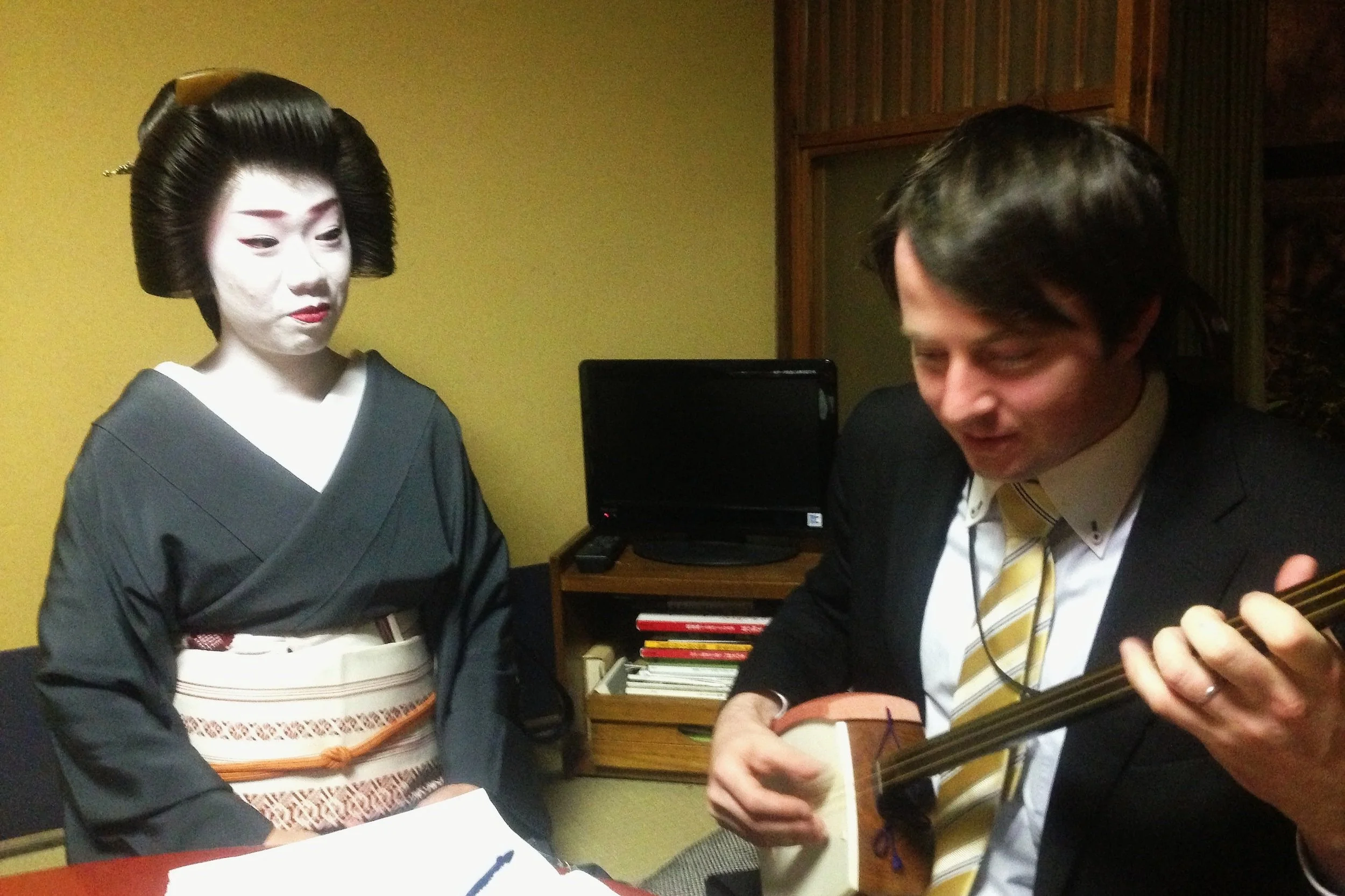
Visiting a real Geisha in the Hanamachi (Flower Town) district of KamiShichiken, Kyoto Japan.
IIf you’ve ever visited Japan, you might have noticed something remarkable: shop staff always seem cheerful and attentive, no matter the time or place. It’s as though they’re never having a bad day. But this isn’t just exceptional professionalism—it’s a reflection of a deeply ingrained cultural framework that influences every interaction.
At the heart of Japanese society lies the concept of uchi (inside) and soto (outside), which defines how people interact based on their relationships. Understanding this dynamic provides a fascinating lens through which to view Japan’s consistently excellent customer service.
In Japanese culture, uchi represents your inner circle—close family and relationships where you can relax and be yourself. It’s a space of comfort, free from many of society’s expectations.
In contrast, soto refers to the outside world: broader society, the workplace, and any environment that falls outside the intimate uchi. In soto, stringent societal standards take precedence, and individuals are expected to uphold these norms meticulously.
This dichotomy is ingrained from a young age. Homes and private spaces often reflect the relaxed uchi mindset, with rooms that are messier or more casual compared to the pristine presentation of shared or outdoor spaces.
When stepping into the soto environment, people “put on a mask,” adopting behaviours that align with societal expectations. This shift in attitude explains why customer service in Japan feels so polished—staff are performing their roles within the soto, where maintaining harmony and respect is paramount.
The Impact on Customer Experience
This cultural divide leads to a consistent and predictable customer experience. In soto, showing personal feelings—like frustration or having a bad day—is considered inappropriate and even shameful. Employees work hard to maintain a positive and professional demeanour, ensuring every customer interaction feels seamless and pleasant.
For visitors, this consistency can be striking. The first thing I noticed in Japan was how shop staff never seemed out of sorts. Every greeting was cheerful, every bow heartfelt, and every interaction carefully considerate. It’s as if personal struggles are left behind the moment they step into their roles.
But this cultural approach goes even deeper, tying into the Japanese concept of shame—a powerful motivator that shapes not only customer service but the broader societal fabric.
In the next post, we’ll explore how the culture of shame drives excellence in service, fostering an environment where harmony and pride in one’s role are paramount, and I will give some takeaways on how those of us not from Japan can learn from this cultural phenomenon. Stay tuned!